In late June 2026, the 21st Saudi International Printing & Packaging Exhibition was held at the Riyadh International Convention and Exhibition Center in Saudi Arabia. As one of the most influential events in the Middle East’s printing and packaging industry, the exhibition covered a total area of 16,000 square meters and attracted 350 companies from more than 20 countries and regions including China, Japan, South Korea, Dubai, Turkey, and India, drawing over 21,900 visitors.
At this annual event in the Middle East’s printing and packaging sector, 19 enterprises from Pingyang, Zhejiang Province, China, participated as a group, securing a cumulative $15.8 million in business orders. This impressive achievement not only highlights the international competitiveness of China’s printing and packaging equipment but also sends a clear signal: the Middle Eastern market is emerging as a new blue ocean for Chinese printing machinery to expand overseas.
Saudi Arabia has become one of the largest printing and packaging markets in the Middle East. Data shows that the region’s paper packaging market reached approximately $16.7 billion in 2024, projected to grow to $25.9 billion by 2033. As a core regional market, Saudi Arabia accounts for nearly 38% of the market share. Currently, the country’s packaging market stands at about $8.6 billion, expected to reach $12 billion by 2026.
The growth behind these figures stems from multiple drivers:
- "Vision 2030" reshaping economic structure: Saudi Arabia is actively transforming its economy from oil dependency toward diversification into services, entertainment, and manufacturing. The booming gigabit infrastructure and entertainment industries have driven a surge in demand for high-quality, fast-turnover printed products. The value of single-category packaging in Saudi Arabia now reaches $12.8 billion.
- Insufficient local capacity: Saudi Arabia’s domestic packaging production capacity is limited, with over 60% of demand met through imports. China is the second-largest importer of Saudi packaging products (around 18%), after the European Union. With growing regional economic cooperation, Chinese companies can expand their market share using higher-quality technology and services.
- Ongoing terminal demand release: Saudi demand primarily focuses on three sectors—food and beverage, pharmaceuticals and healthcare, and personal care and cosmetics. E-commerce retail continues to explode, reaching $155.6 billion in sales in 2024, driving sharp increases in demand for corrugated boxes, food, and cosmetic packaging. Saudi’s “Vision 2030” further stimulates cultural entertainment and large-scale infrastructure projects, which continue to fuel packaging demand.
The Saudi exhibition is just a snapshot. The opportunities in the Middle East extend far beyond this.
- Expanding regional markets: The African packaging market is projected to reach $47.1 billion by 2026 and rise to $58.46 billion by 2031. Commercial printing revenue in the Middle East grew by 8.7%, while packaging business reached $20 billion. As emerging consumer and trade growth hubs, the Middle East and Africa are gradually becoming new growth poles for the global packaging and printing industry.
- Multiple exhibitions to follow: From September 28 to 30, 2026, the Gulf Print & Pack Exhibition will be held at the Dubai World Trade Centre in Dubai. As the most influential B2B platform for printing and packaging in the Middle East and North Africa, the previous edition attracted over 400 global exhibitors, with Chinese companies accounting for nearly 30%. From November 16 to 18, 2026, the Saudi Printing & Packaging Exhibition (PRINT 2 PACK) will take place at the Jeddah Convention and Exhibition Center, covering an area of 25,000 square meters. These two events will provide continuous networking opportunities for companies aiming to expand into the Middle East market.
- Localization capabilities become a key differentiator: Middle Eastern buyers value not only price but also turnkey service capabilities. Whether equipment can operate stably in 50°C environments, whether consumable costs are manageable, if Arabic language operation interfaces are provided, and the ability to integrate with local warehousing and distribution systems—these are core concerns for Middle Eastern buyers. Chinese enterprises have significant advantages in areas such as medium-speed corrugated co-pressing lines, digital hot stamping and die-cutting machines, and water-based laminating equipment. True global expansion isn't about selling more machines, but about making Chinese solutions an indispensable part of Middle East industrial upgrading.
The thriving opportunities in the Middle East market align closely with Weihai Printing Machinery Co., Ltd.'s global strategy.
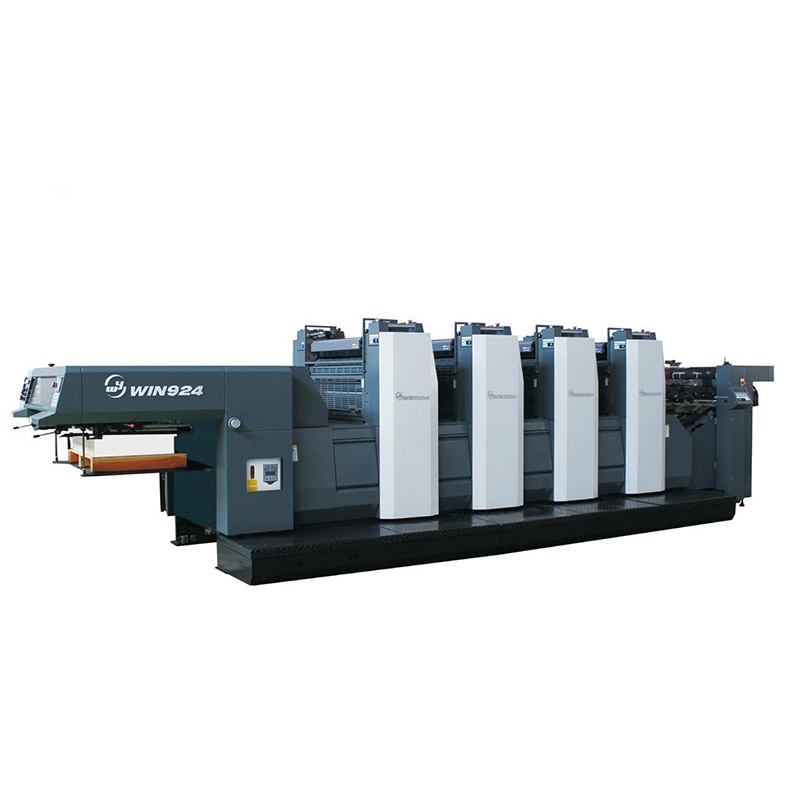
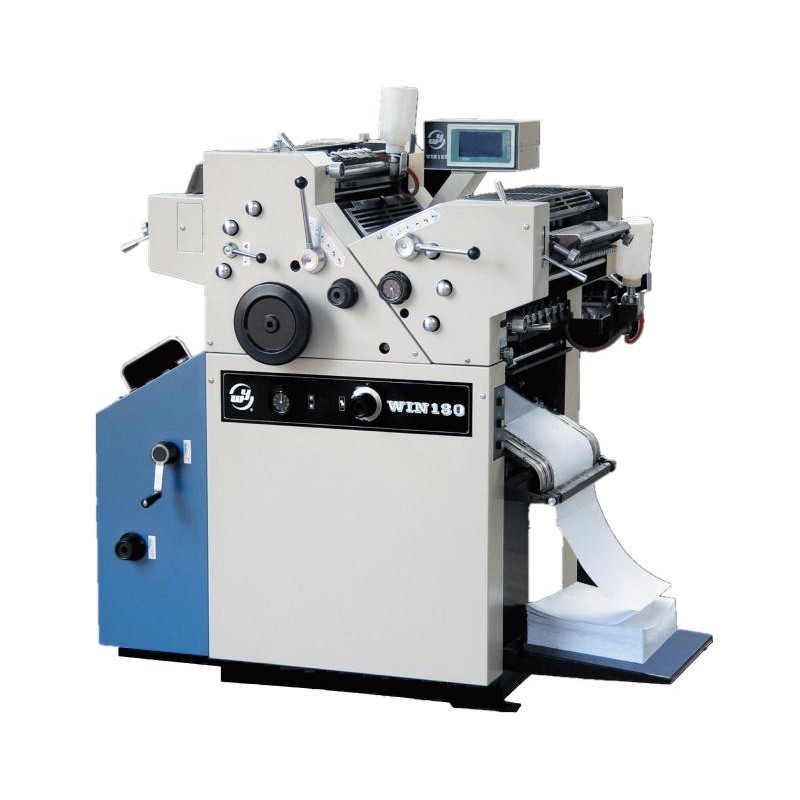
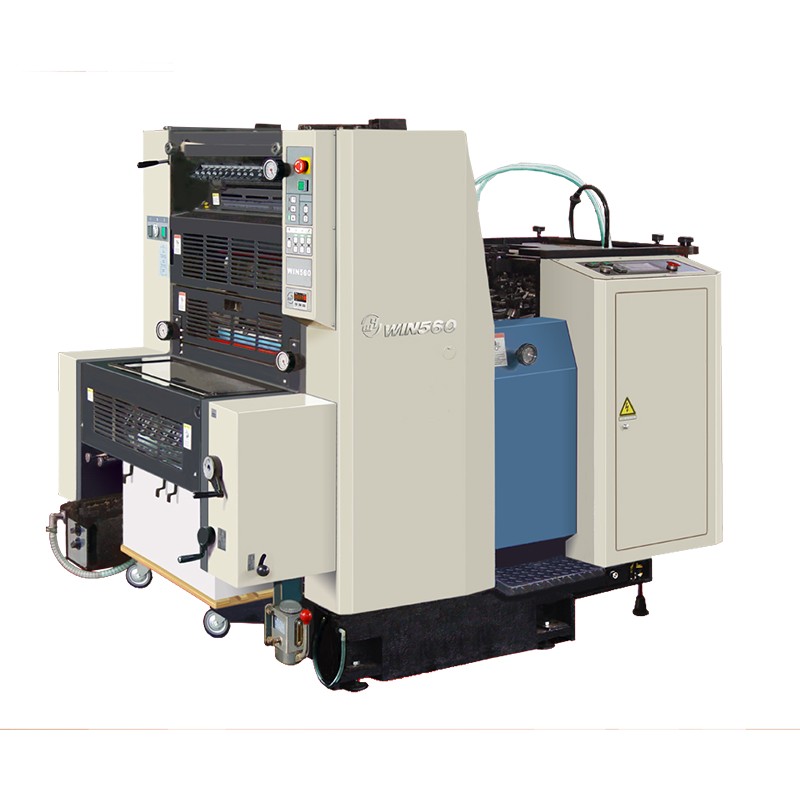
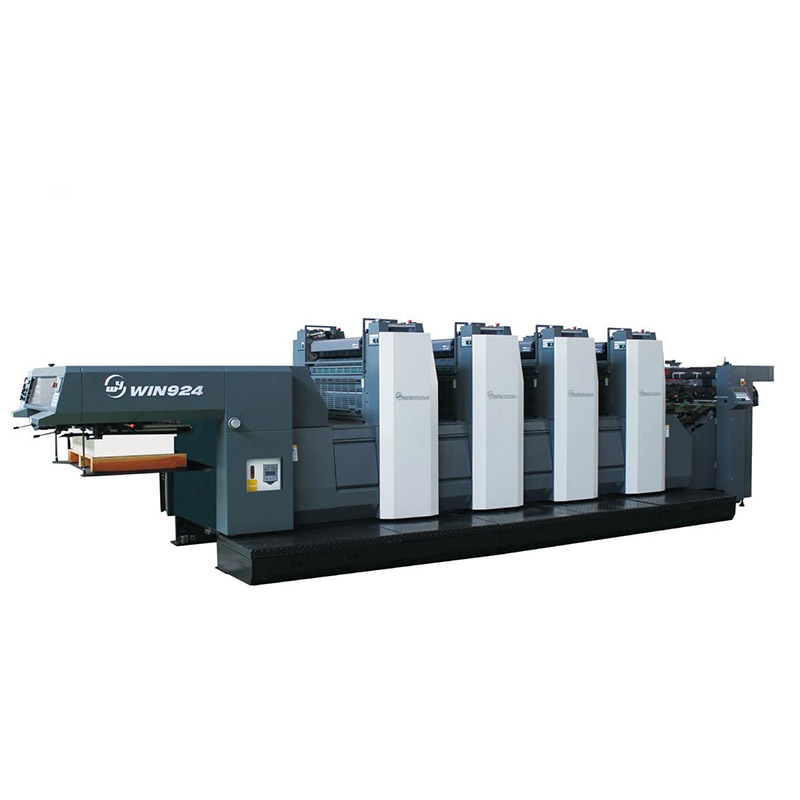
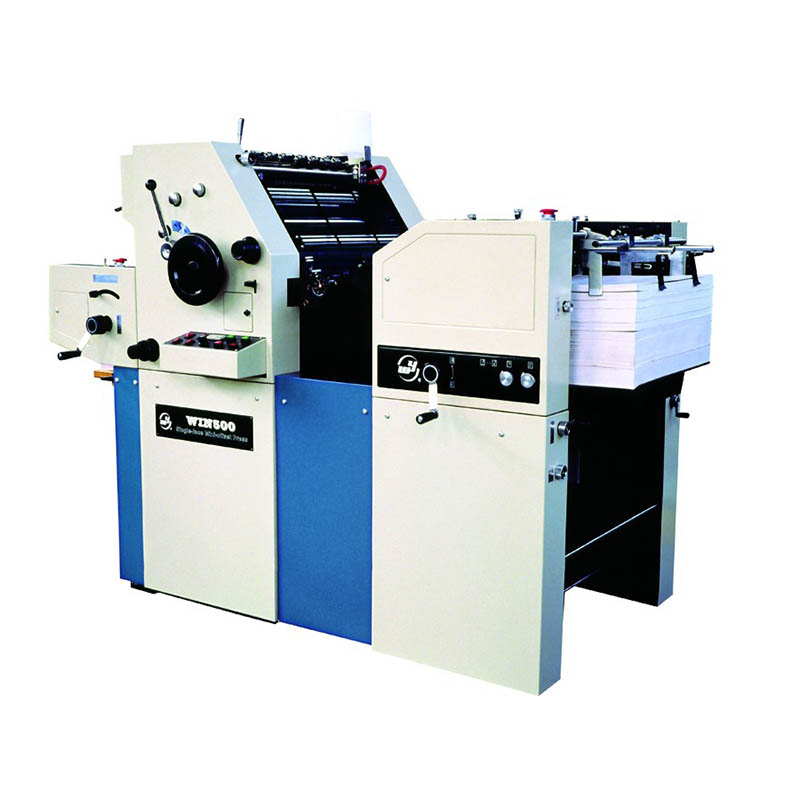
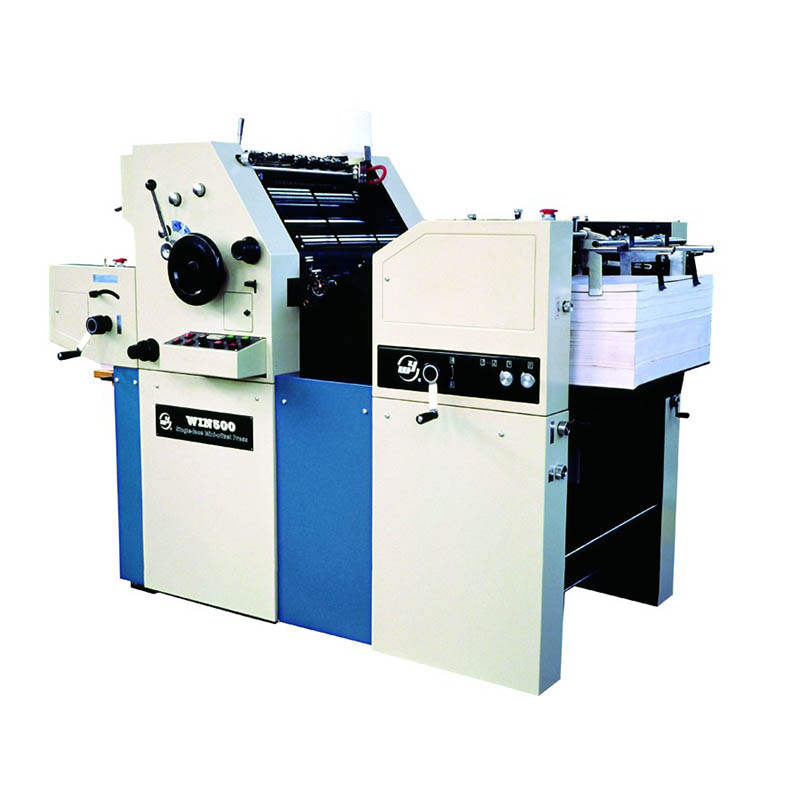
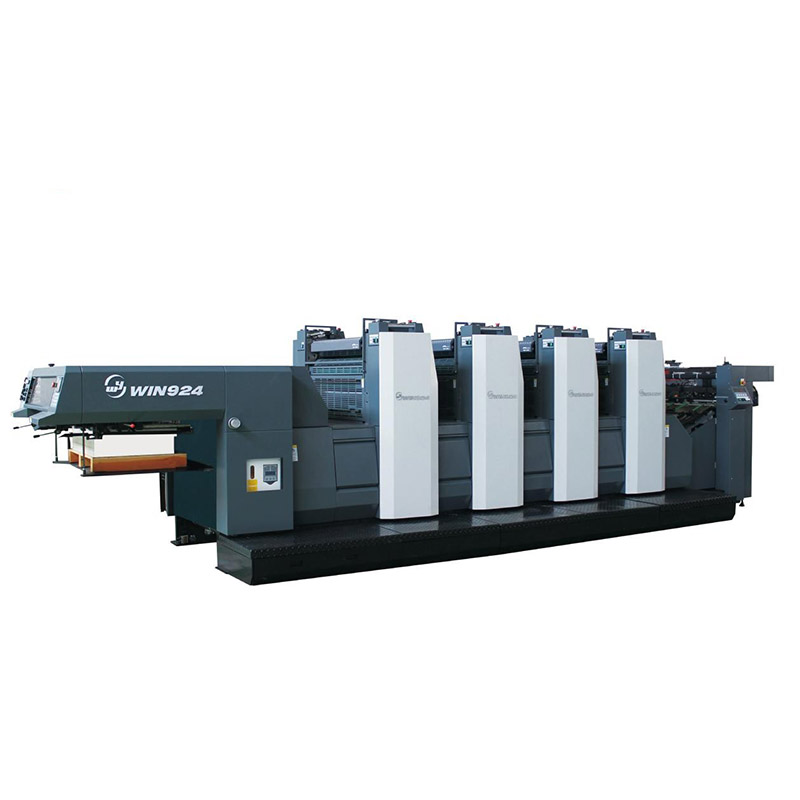
With over seventy years of technical expertise, the company has established a solid foundation. Since its founding in 1954, Weihai Printing Machinery has become one of China's leading manufacturers in printing machinery development, serving as a drafting body for industry standards and holding independent import-export rights.
The company is steadily advancing its international presence. It has built a nationwide sales and service network and established overseas sales service centers. Weihai Printing Machinery has received numerous national honors, including "Top Ten Best-Selling Brands in Chinese Printing Machinery" and "Top Ten Chinese Printing Machinery Manufacturers." Its products have passed ISO9001 international quality certification and European CE safety certification.
The economic transformation driven by Saudi Arabia’s “Vision 2030,” the significant gap in domestic production capacity, and the growing demand for packaging fueled by e-commerce and consumer upgrades all create vast opportunities for Chinese printing machinery exports.
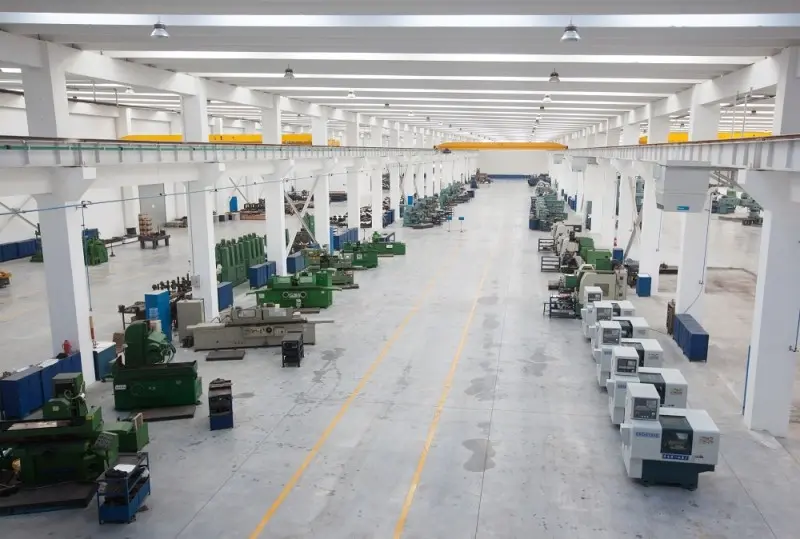
For Weihai Printing Machinery, over seven decades of technological accumulation, ISO9001 and CE certifications ensuring quality, and extensive export experience across more than thirty countries and regions provide a solid foundation for entering the Middle Eastern market. With the gradual establishment of new R&D and manufacturing bases, the company’s production capacity and innovation capabilities will further expand.
In the future, Weihai Printing Machinery will continue adhering to its business philosophy of “We pursue—customer satisfaction.” Through higher-quality products, comprehensive services, and innovative technologies, it will actively seize opportunities in the Middle East market, continuously expanding its international footprint, and allowing Chinese printing machinery brands to shine even brighter on the world stage.