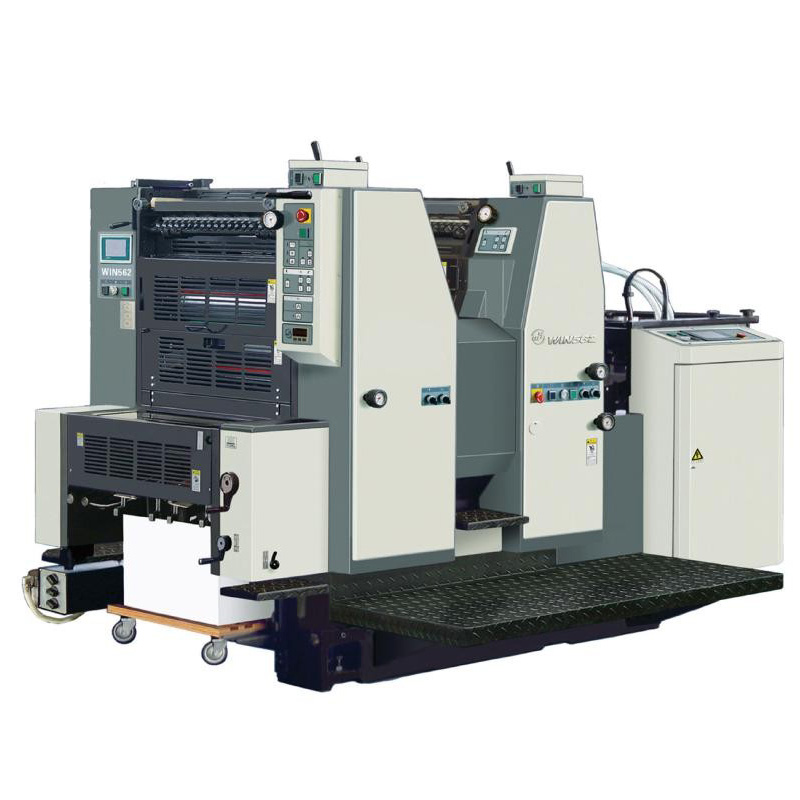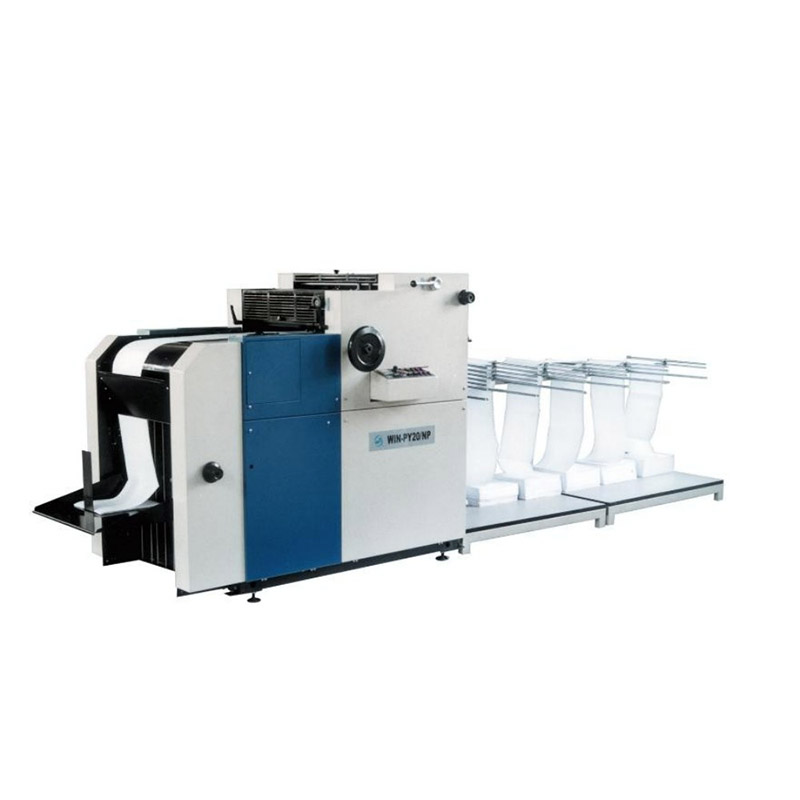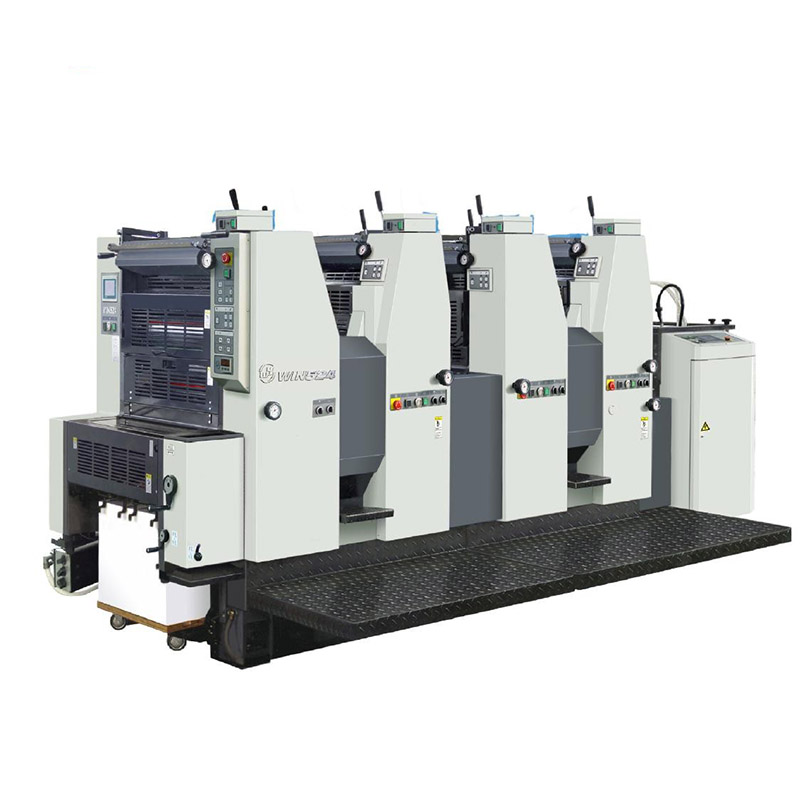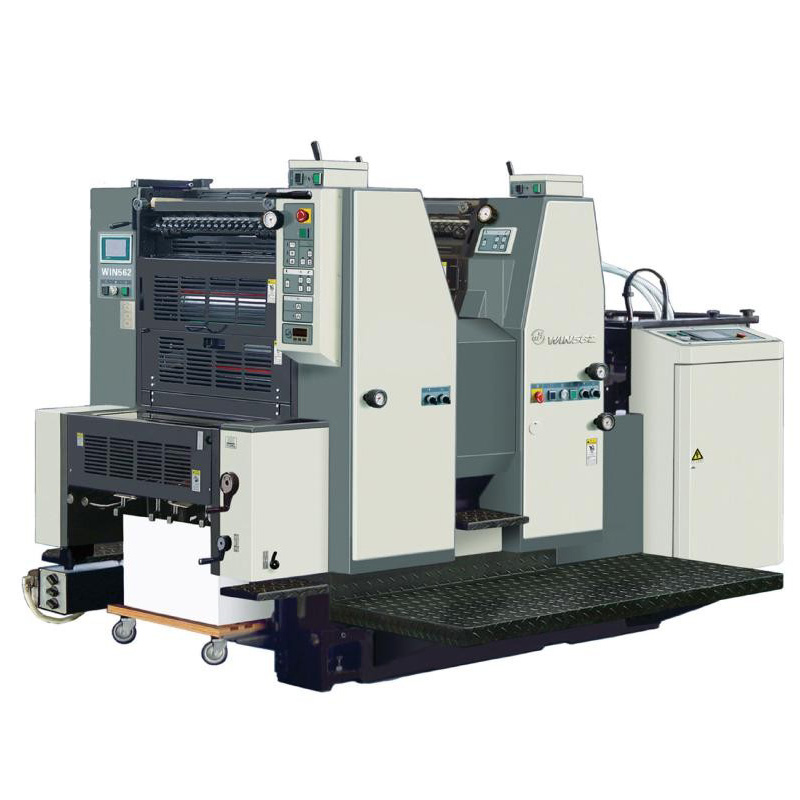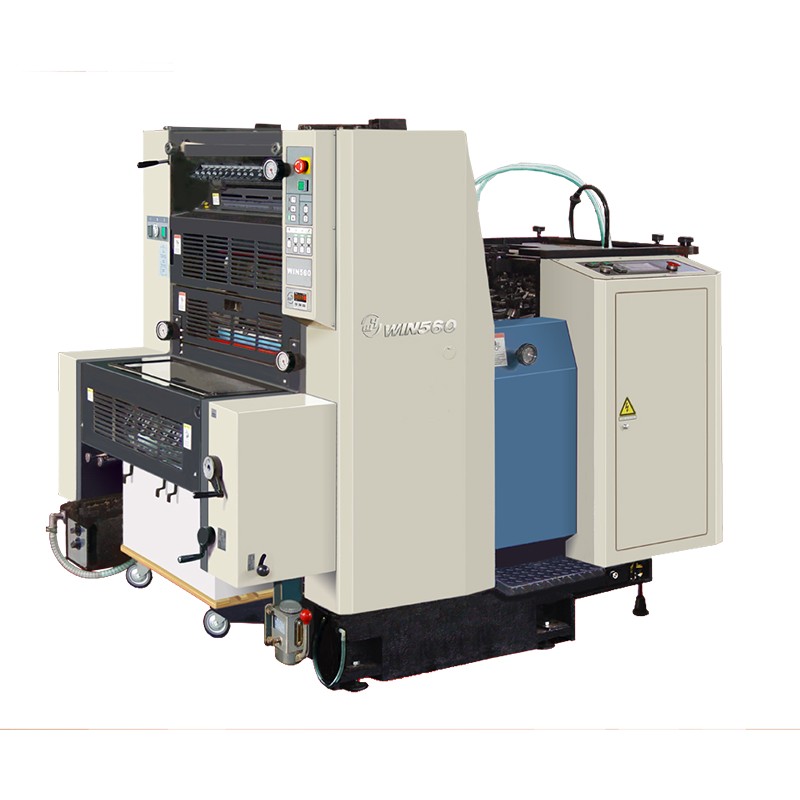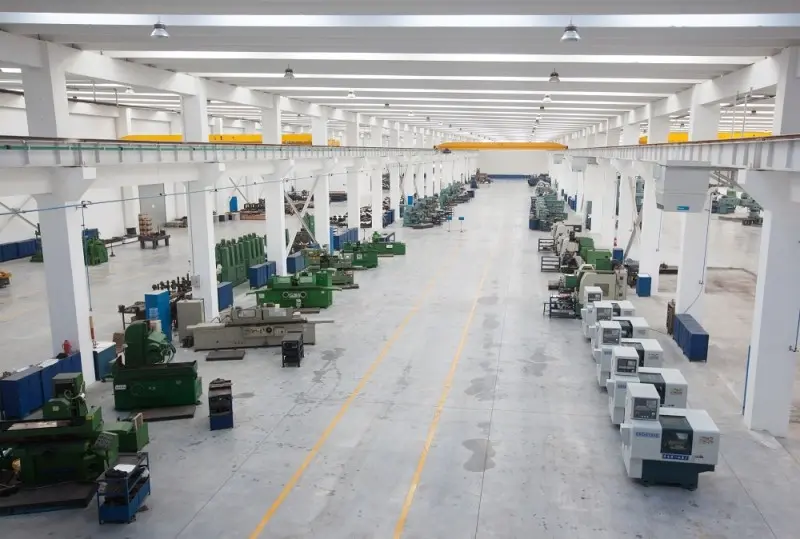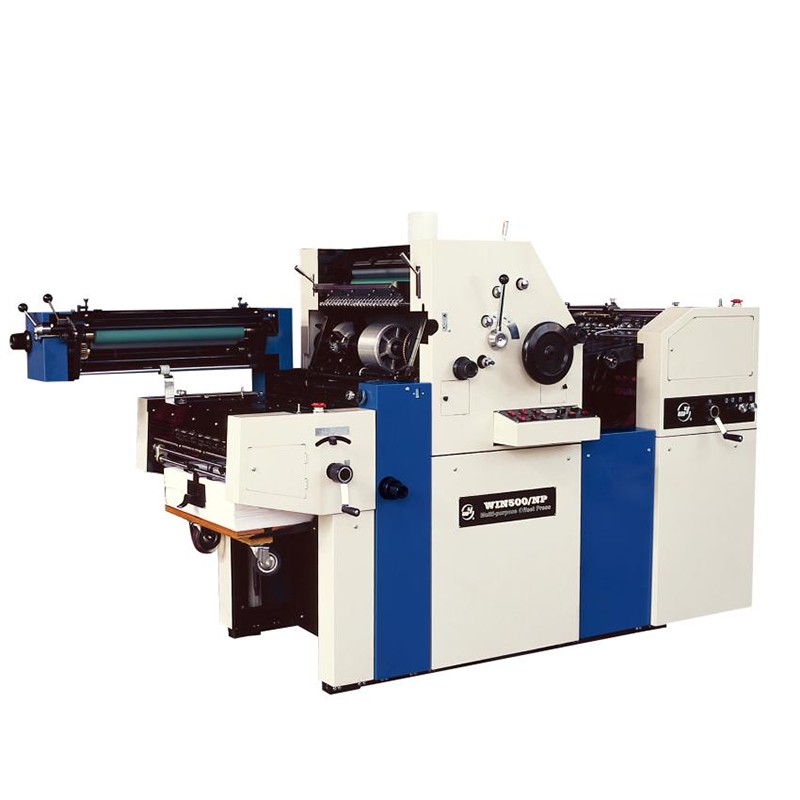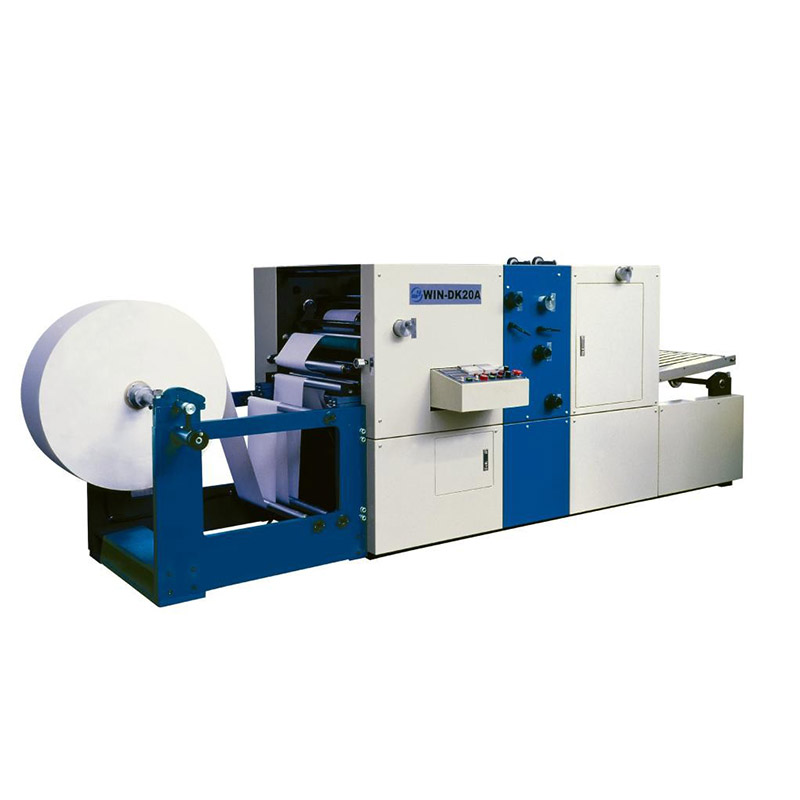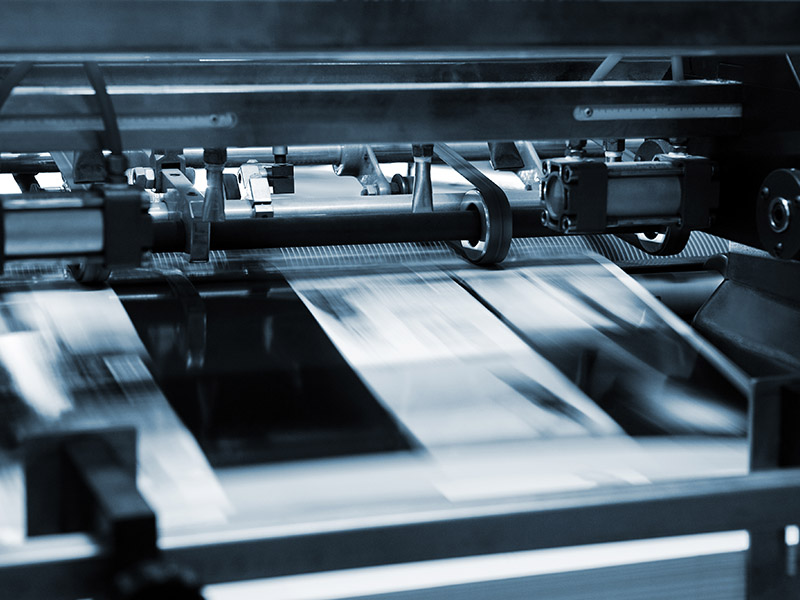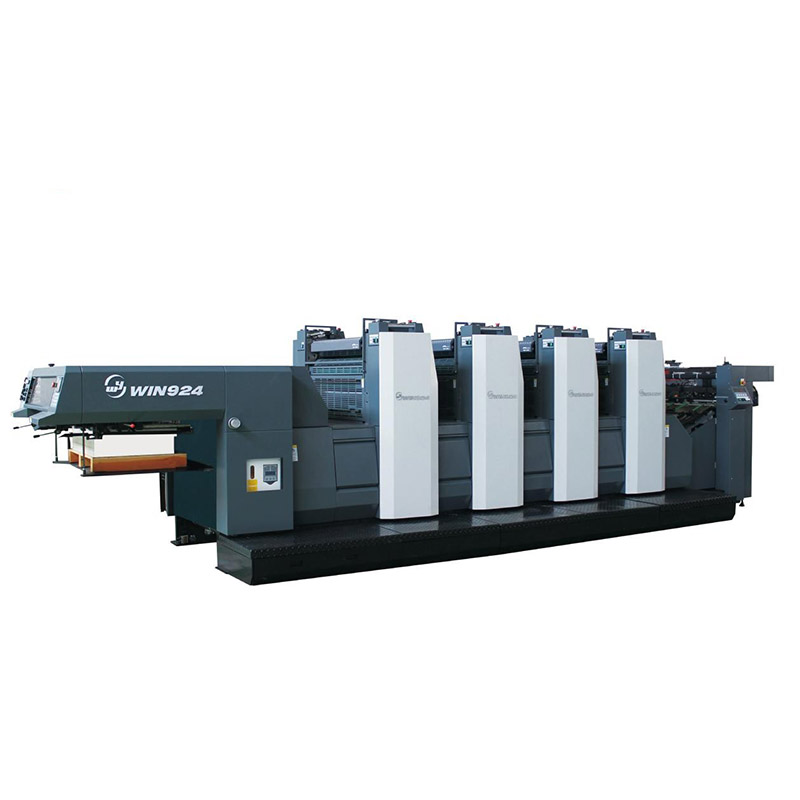

In the modern printing industry, efficiency, print quality, and cost-effectiveness are key factors for any business. The Large A3 Single-Color Sheet-fed Offset Printing Press offers an ideal solution for small to medium print shops looking to improve their production capabilities. This article explores its features, advantages, operational considerations, and maintenance tips to help decision-makers make informed choices.
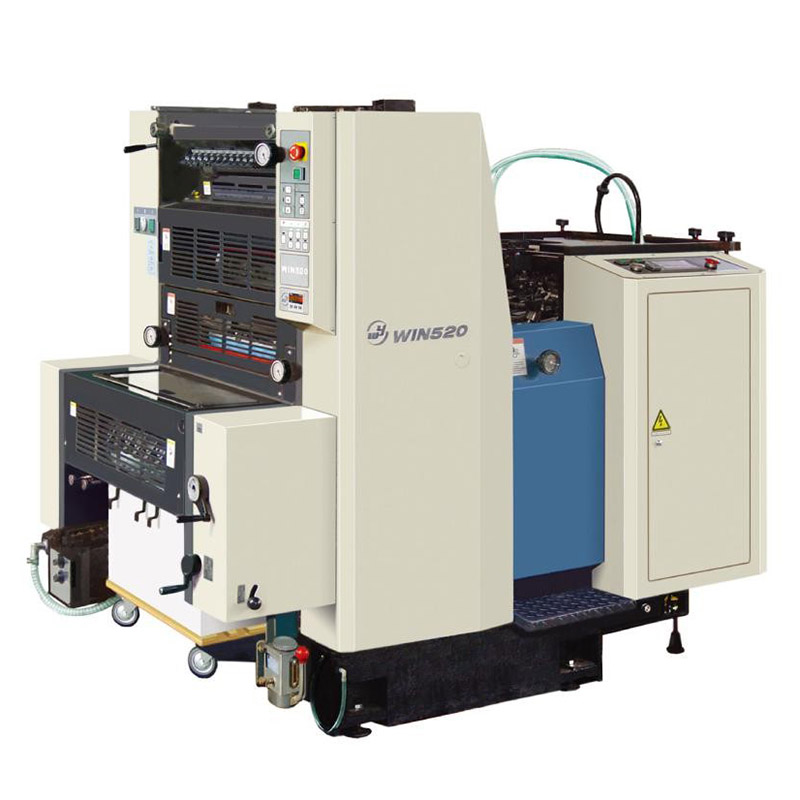
Table of Contents
- Overview of Large A3 Single-Color Sheet-fed Offset Printing Press
- Key Advantages and Benefits
- Technical Specifications and Features
- Operational Tips for Optimal Performance
- Maintenance and Troubleshooting Guide
- Cost Analysis and ROI Considerations
- Practical Applications in Various Industries
- Frequently Asked Questions
Overview of Large A3 Single-Color Sheet-fed Offset Printing Press
The Large A3 Single-Color Sheet-fed Offset Printing Press is designed for high-quality printing on A3-sized sheets, offering precise color consistency and sharp text reproduction. It is widely used in printing brochures, flyers, invitations, and other single-color print materials.
This type of press operates on the sheet-fed offset principle, where inked images are transferred from a plate to a rubber blanket, and then to the paper surface. Its single-color configuration allows businesses to produce high-quality prints without the complexity of multi-color presses, making it cost-effective for frequent short-run jobs.
Key Advantages and Benefits
- High-Quality Output: Exceptional sharpness and detail on A3 sheets.
- Cost-Efficiency: Ideal for small print shops with tight budgets.
- Versatile Paper Handling: Handles various paper weights and types, including coated, uncoated, and specialty papers.
- Ease of Operation: Simple controls reduce operator error and training time.
- Durable Construction: Built to withstand heavy-duty production cycles.
Technical Specifications and Features
| Feature | Description |
|---|---|
| Printing Size | A3 (297 x 420 mm) |
| Printing Method | Sheet-fed offset |
| Color Capability | Single-color |
| Paper Weight | 60–300 gsm |
| Max Sheets per Hour | 5,000–10,000 depending on paper type |
| Dimensions | 1.8m x 1.2m x 1.5m |
| Weight | Approximately 850 kg |
Operational Tips for Optimal Performance
- Pre-Press Preparation: Ensure accurate plate alignment and proper ink viscosity.
- Paper Handling: Use paper within the recommended weight range to prevent jams or misfeeds.
- Regular Calibration: Check registration and print density regularly for consistent quality.
- Environmental Conditions: Maintain stable temperature and humidity to prevent paper curling and ink issues.
Maintenance and Troubleshooting Guide
Routine maintenance is essential to prolong the lifespan of a sheet-fed offset press. Common practices include:
- Daily cleaning of rollers and blankets to remove ink residue.
- Lubrication of moving parts according to manufacturer recommendations.
- Periodic inspection of bearings, gears, and feed mechanisms.
- Replacing worn-out components promptly to avoid production delays.
Frequent troubleshooting issues:
- Paper Jams: Usually caused by improper sheet alignment or humidity changes.
- Uneven Ink Coverage: Check roller pressure and ink distribution system.
- Blurring or Ghosting: Inspect blankets for wear and clean thoroughly.
Cost Analysis and ROI Considerations
Investing in a Large A3 Single-Color Sheet-fed Offset Printing Press can lead to substantial savings compared to outsourcing single-color print jobs. Key financial considerations include:
| Cost Factor | Estimated Value |
|---|---|
| Initial Investment | $15,000–$25,000 |
| Consumables (ink, plates) | $500–$800 per month |
| Maintenance | $1,000 annually |
| Average Cost per Print | 0.03–0.05 USD per A3 sheet |
By reducing outsourcing costs and improving turnaround times, businesses can achieve ROI within 1–2 years depending on production volume.
Practical Applications in Various Industries
- Marketing Agencies: Rapid production of promotional flyers and brochures.
- Educational Institutions: Printing course materials, certificates, and newsletters.
- Event Organizers: Posters, invitations, and ticket printing.
- Small Publishers: Limited edition booklets and newsletters.
Frequently Asked Questions
Q1: Can this press handle specialty papers like textured or metallic sheets?
A1: Yes, as long as the paper weight is within the recommended range (60–300 gsm). Some specialty papers may require adjustments to the roller pressure.
Q2: How long does it take to train an operator?
A2: Most operators can be trained in 3–5 days to achieve basic proficiency. Full mastery may take a few weeks depending on the complexity of print jobs.
Q3: Is the press suitable for long production runs?
A3: It is best suited for short to medium print runs due to single-color limitations, but it can handle high-volume production if properly maintained.
Q4: How often should the press be serviced?
A4: Routine maintenance should be conducted daily, with comprehensive servicing every 6–12 months depending on usage intensity.
Conclusion & Contact
The Large A3 Single-Color Sheet-fed Offset Printing Press offers an excellent balance of quality, efficiency, and cost-effectiveness for small to medium printing operations. With proper operation and maintenance, it can significantly enhance productivity and reduce printing costs.
For businesses looking to upgrade their printing capabilities, Weihai Printing Machinery Co., Ltd. provides reliable and durable solutions. Contact us today to learn more about how our presses can meet your printing needs.