English
- English
- Español
- Português
- русский
- Français
- 日本語
- Deutsch
- tiếng Việt
- Italiano
- Nederlands
- ภาษาไทย
- Polski
- 한국어
- Svenska
- magyar
- Malay
- বাংলা ভাষার
- Dansk
- Suomi
- हिन्दी
- Pilipino
- Türkçe
- Gaeilge
- العربية
- Indonesia
- Norsk
- تمل
- český
- ελληνικά
- український
- Javanese
- فارسی
- தமிழ்
- తెలుగు
- नेपाली
- Burmese
- български
- ລາວ
- Latine
- Қазақша
- Euskal
- Azərbaycan
- Slovenský jazyk
- Македонски
- Lietuvos
- Eesti Keel
- Română
- Slovenski

HOME > News
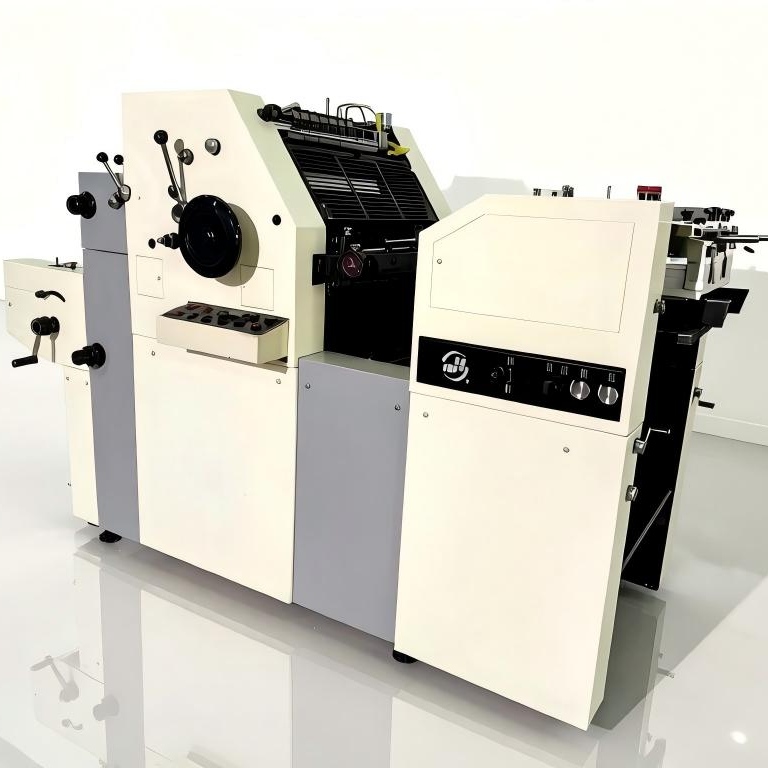
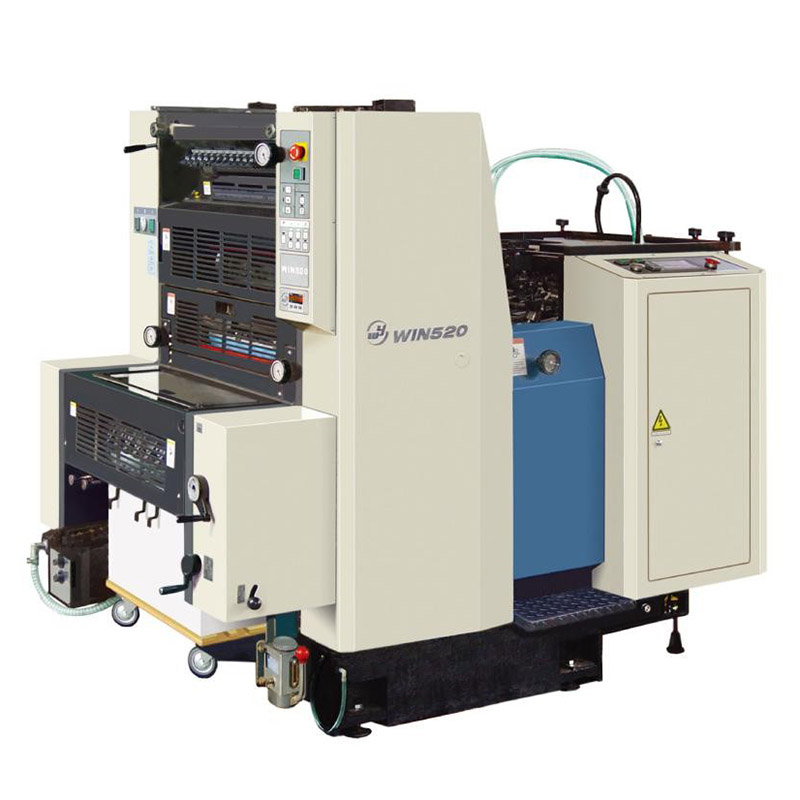
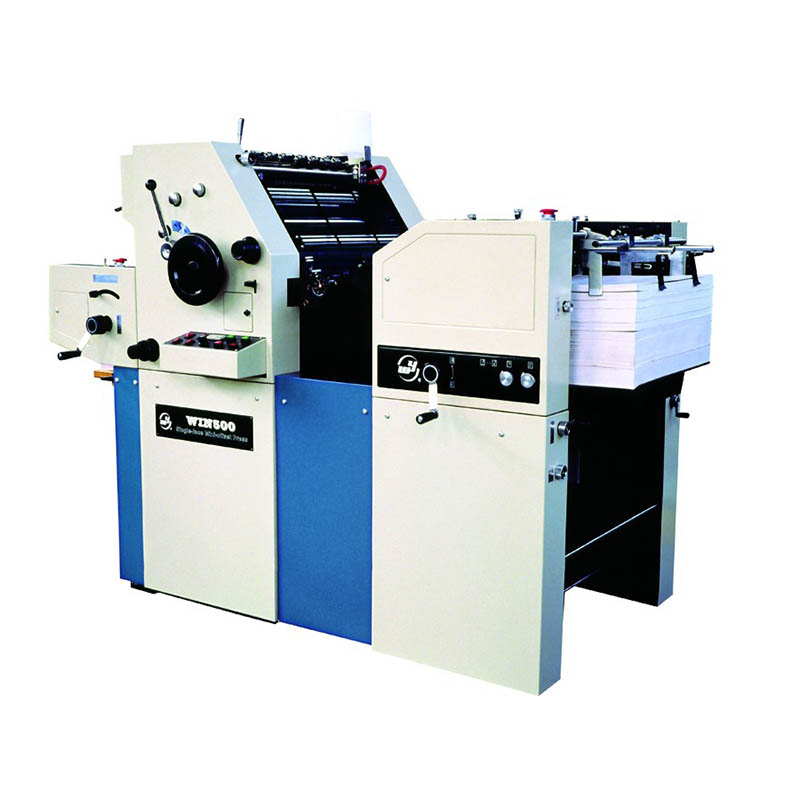
Why Is the A3 Single-Color Semi-Automatic Offset Printing Press Still Essential for Modern Printing Businesses?
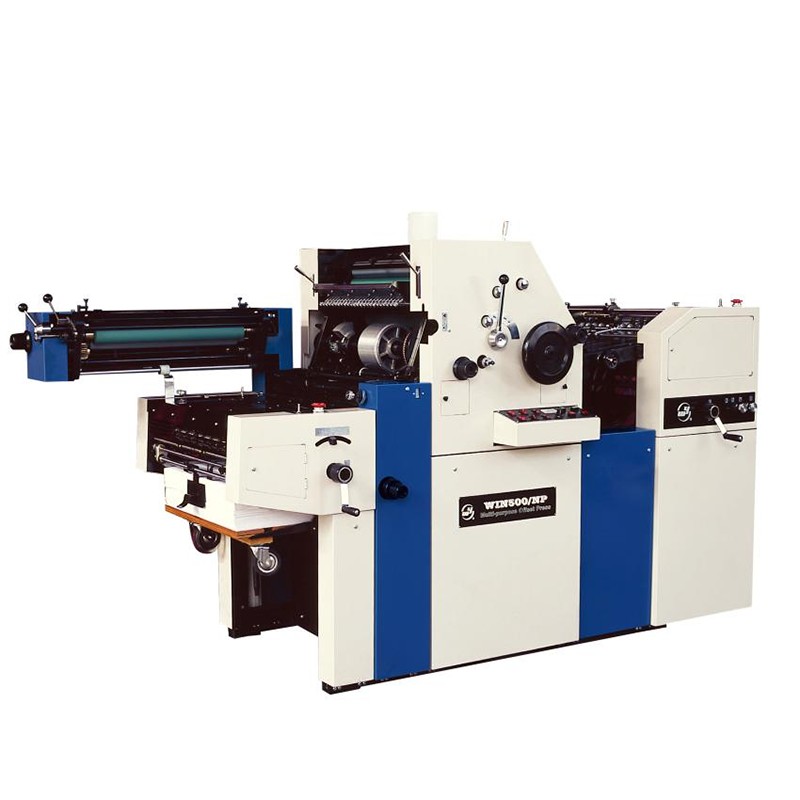
The printing industry continues to evolve with digital innovation, yet many commercial print shops, educational institutions, packaging suppliers, and small-scale printing businesses still rely heavily on the A3 Single-Color Semi-Automatic Offset Printing Press. This machine remains one of the most cost-effective, reliable, and efficient solutions for high-quality short-to-medium print runs. In this comprehensive guide, we will explore how this printing press works, its major advantages, operational considerations, maintenance tips, industry applications, and how businesses can maximize productivity while reducing costs.
Article Summary
This article explains everything buyers and operators need to know about the A3 Single-Color Semi-Automatic Offset Printing Press. It covers machine structure, printing quality, operating principles, maintenance, efficiency improvements, common problems, comparison with digital printing, and purchasing considerations. Whether you are opening a print shop or upgrading production equipment, this guide provides practical information to help you make informed decisions.
Table of Contents
- 1. What Is an A3 Single-Color Semi-Automatic Offset Printing Press?
- 2. How Does the Offset Printing Process Work?
- 3. Why Do Printing Businesses Prefer This Machine?
- 4. Major Applications Across Industries
- 5. Important Features to Look For
- 6. Offset Printing vs Digital Printing
- 7. How Can Businesses Reduce Operating Costs?
- 8. Maintenance Tips for Long-Term Performance
- 9. Common Printing Problems and Solutions
- 10. What Should Buyers Consider Before Purchasing?
- 11. Future Trends in Offset Printing Technology
- 12. Frequently Asked Questions
- 13. Final Thoughts
1. What Is an A3 Single-Color Semi-Automatic Offset Printing Press?
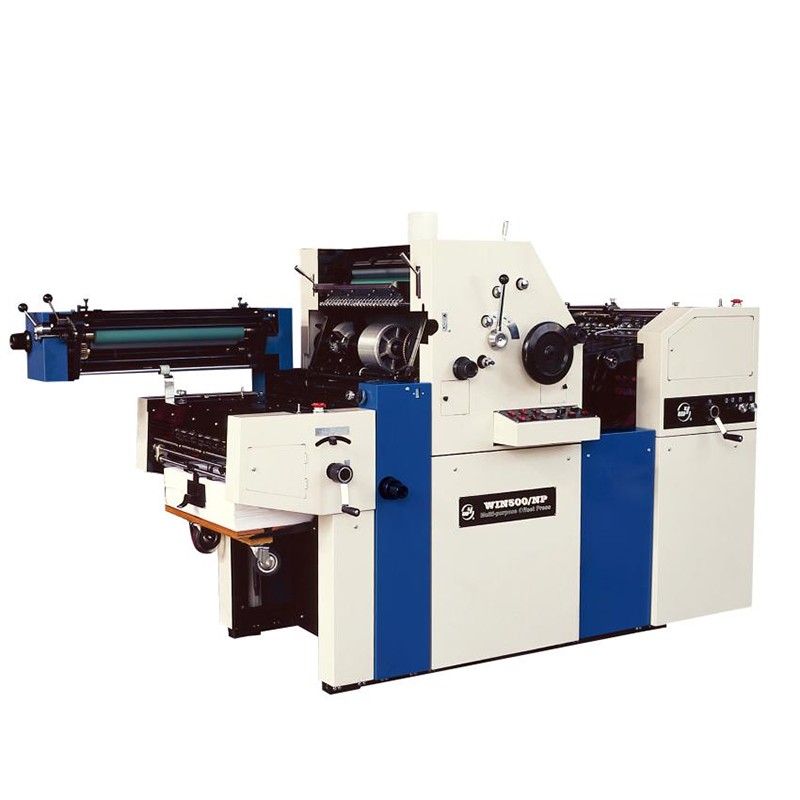
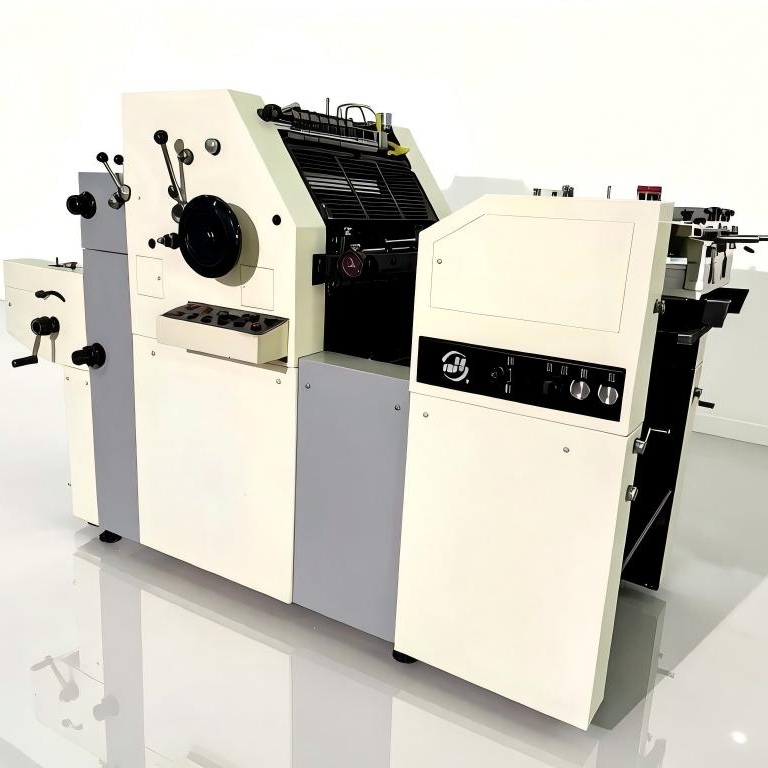
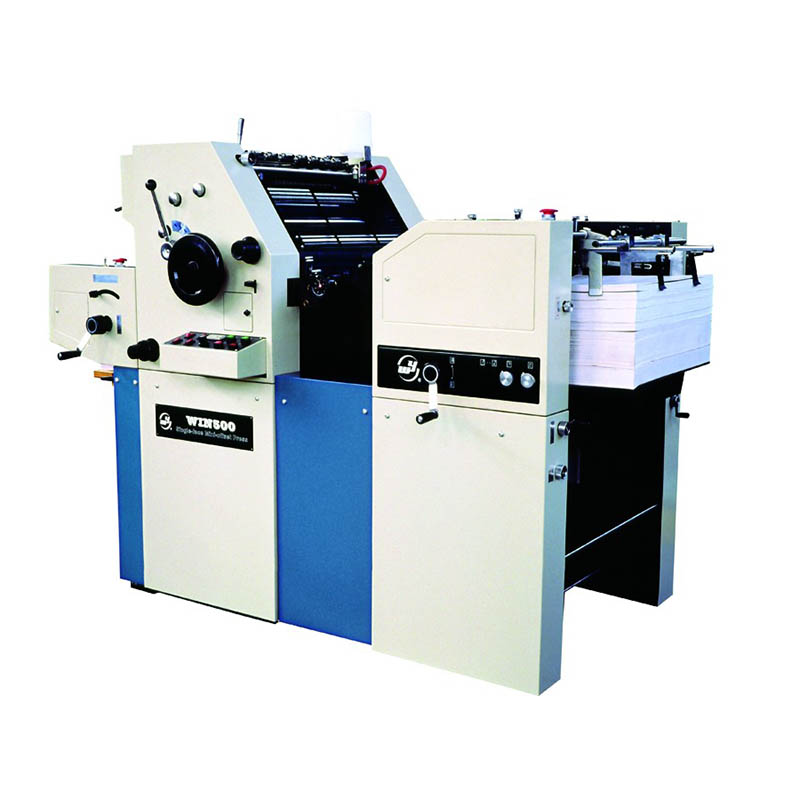
An A3 Single-Color Semi-Automatic Offset Printing Press is a compact yet highly efficient printing machine designed for producing sharp, professional-quality prints on A3-sized paper and similar materials. Unlike fully automated systems, semi-automatic presses combine manual control with automated feeding and printing mechanisms, offering a balance between affordability and productivity.
The machine typically prints one color at a time, making it ideal for:
- Invoices and receipts
- Instruction manuals
- Books and notebooks
- Packaging inserts
- Business forms
- Educational materials
- Labels and promotional flyers
For small and medium-sized printing companies, this type of equipment delivers excellent print consistency without requiring the high investment associated with large industrial presses.
| Feature | Description |
|---|---|
| Paper Size | A3 and compatible formats |
| Printing Type | Single-color offset printing |
| Operation | Semi-automatic control |
| Suitable Users | Commercial printers and small factories |
| Production Volume | Short and medium runs |
2. How Does the Offset Printing Process Work?
Offset printing uses a plate-based process where ink is transferred from the plate to a rubber blanket and then onto the printing surface. This indirect printing method improves image quality and reduces plate wear.
The printing process generally includes the following steps:
- Image preparation and plate creation
- Mounting the printing plate onto the press
- Ink and water balance adjustment
- Paper feeding into the press
- Ink transfer through blanket cylinders
- Drying and output collection
Because offset printing distributes ink evenly, it produces smooth gradients, crisp text, and highly detailed images. This is especially important for professional business documents and commercial packaging.
Key Benefit: Offset printing can maintain consistent image quality even during long production runs, making it more economical than many alternative printing technologies.
3. Why Do Printing Businesses Prefer This Machine?
Many printing businesses choose A3 Single-Color Semi-Automatic Offset Printing Presses because they offer a practical balance between investment cost and production capability.
Affordable Investment
Compared with large multi-color automated printing systems, semi-automatic machines require lower capital investment while still providing professional-quality results.
Reliable Print Quality
Offset technology produces:
- Sharp text
- Uniform ink distribution
- Stable color consistency
- Professional image reproduction
Low Maintenance Costs
Because the machine structure is simpler than fully automated systems, maintenance and repair costs are generally lower.
High Durability
A well-maintained offset press can operate efficiently for many years, offering excellent return on investment.
4. Major Applications Across Industries
The A3 Single-Color Semi-Automatic Offset Printing Press serves a wide variety of industries.
Educational Printing
Schools and universities use offset printing for exam papers, training manuals, and notebooks.
Commercial Printing
Businesses print invoices, forms, brochures, and corporate materials.
Packaging Industry
Manufacturers use these presses for labels, inserts, and product information sheets.
Publishing
Booklets, newspapers, and journals often rely on offset printing technology.
5. Important Features to Look For
Before purchasing a printing press, buyers should carefully evaluate machine specifications and production requirements.
| Feature | Why It Matters |
|---|---|
| Printing Speed | Improves production efficiency |
| Ink Control System | Ensures accurate ink distribution |
| Paper Compatibility | Supports multiple paper thicknesses |
| Registration Accuracy | Maintains print alignment |
| Machine Stability | Reduces vibration and defects |
Businesses should also consider supplier support, spare parts availability, operator training, and warranty services.
6. Offset Printing vs Digital Printing
Many customers struggle to decide between offset printing and digital printing technologies. Each has distinct advantages.
| Factor | Offset Printing | Digital Printing |
|---|---|---|
| Setup Cost | Higher | Lower |
| Large Volume Cost | More economical | More expensive |
| Image Consistency | Excellent | Good |
| Printing Speed | Fast for long runs | Fast for short runs |
| Color Accuracy | Highly stable | Varies |
For businesses producing high volumes of standardized printed materials, offset printing remains highly competitive.
7. How Can Businesses Reduce Operating Costs?
Reducing operational expenses is one of the biggest concerns for print shop owners.
Optimize Ink Usage
Proper calibration minimizes waste and improves print consistency.
Use Quality Consumables
Cheap plates and poor-quality paper often cause machine downtime and defects.
Regular Maintenance
Routine inspections prevent expensive repairs and unexpected production interruptions.
Operator Training
Skilled operators can significantly reduce material waste and setup errors.
Many businesses discover that investing in operator training delivers faster productivity improvements than upgrading equipment alone.
8. Maintenance Tips for Long-Term Performance
Consistent maintenance is essential for maximizing machine lifespan and ensuring print stability.
- Clean rollers daily
- Check lubrication systems regularly
- Inspect electrical components
- Replace worn blankets promptly
- Monitor paper feeding alignment
- Calibrate pressure settings
Ignoring routine maintenance often leads to:
- Poor print quality
- Frequent machine stoppages
- Higher repair costs
- Production delays
9. Common Printing Problems and Solutions
| Problem | Possible Cause | Solution |
|---|---|---|
| Ink Smudging | Excessive ink | Adjust ink balance |
| Ghost Images | Improper pressure | Recalibrate cylinders |
| Paper Jams | Misaligned feeding | Adjust feeding system |
| Uneven Printing | Dirty rollers | Clean rollers thoroughly |
10. What Should Buyers Consider Before Purchasing?
Purchasing a printing press is a major investment. Buyers should evaluate both immediate production needs and long-term business growth.
Production Capacity
Choose a machine capable of meeting expected daily workloads without overloading.
After-Sales Service
Reliable technical support reduces downtime and ensures smoother operation.
Spare Parts Availability
Accessible replacement parts are critical for maintaining continuous production.
Energy Efficiency
Energy-saving equipment can significantly reduce operational expenses over time.
Many professional printing companies prefer suppliers with strong manufacturing experience and stable technical support systems.
11. Future Trends in Offset Printing Technology
Although digital printing continues to grow, offset printing technology is also evolving rapidly.
- Improved automation systems
- Enhanced energy efficiency
- Faster setup processes
- Eco-friendly ink technologies
- Smarter control interfaces
- Higher printing precision
Modern semi-automatic offset presses now combine traditional durability with advanced productivity features, helping businesses remain competitive in changing markets.
12. Frequently Asked Questions
Is an A3 Single-Color Semi-Automatic Offset Printing Press suitable for small businesses?
Yes. It is particularly suitable for small and medium-sized printing companies because it balances affordability, efficiency, and print quality.
What materials can this machine print on?
The machine can print on various paper types, including coated paper, offset paper, cardboard, and specialty materials depending on machine specifications.
How long does an offset printing press typically last?
With proper maintenance, many offset printing presses can operate effectively for more than 10 years.
Does offset printing provide better quality than digital printing?
For large production runs and consistent image quality, offset printing often delivers superior results.
How important is operator experience?
Operator skill is extremely important because proper calibration, ink adjustment, and maintenance directly affect print quality and efficiency.
13. Final Thoughts
The A3 Single-Color Semi-Automatic Offset Printing Press remains a valuable solution for businesses seeking dependable print quality, operational efficiency, and long-term cost control. Its balance of affordability, durability, and professional output makes it an ideal investment for commercial printing companies, educational institutions, publishers, and packaging suppliers.
As printing demands continue to evolve, companies that prioritize stable equipment, skilled operation, and proper maintenance will continue to benefit from the proven advantages of offset printing technology.
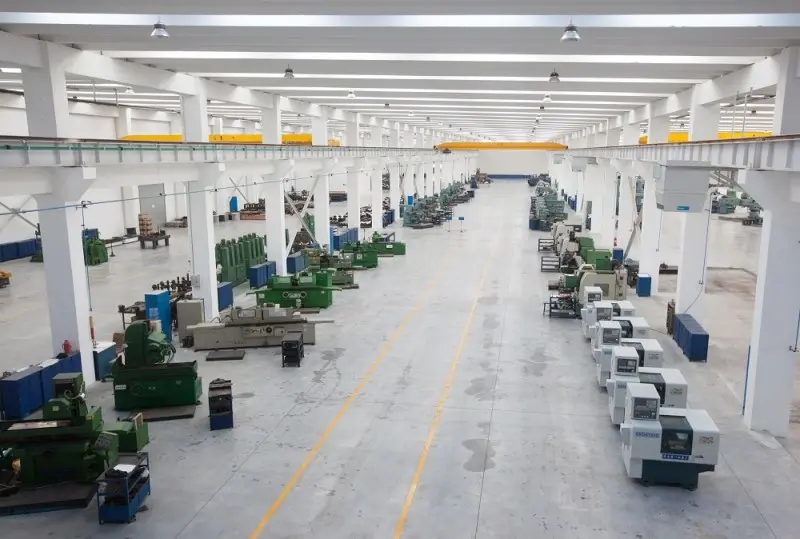
Weihai Printing Machinery Co., Ltd. specializes in high-performance printing machinery designed for modern production environments. Whether you need stable print quality, efficient operation, or professional technical support, our team is ready to help your business grow.
Contact us today to learn more about advanced offset printing solutions tailored to your production needs.
Related News
- Why Should You Consider a Large A3 Single-Color Sheet-fed Offset Printing Press?
- How Does A3 Single-Color Sheet-fed Offset Printing Press Deliver Consistent Print Quality?
- How Does an A3 Monochrome Sheet-fed Offset Printing Press Transform Modern Printing Efficiency?
- How Does a Roll Paper Perforating Slitting and Numbering Machine Improve Modern Printing Production Efficiency?
- Why Are Laminating and Foiling Machines Essential for Modern Printing?
- What Makes a Four-Color Printing Press Essential for High-Quality Printing?
Leave me a message