English
- English
- Español
- Português
- русский
- Français
- 日本語
- Deutsch
- tiếng Việt
- Italiano
- Nederlands
- ภาษาไทย
- Polski
- 한국어
- Svenska
- magyar
- Malay
- বাংলা ভাষার
- Dansk
- Suomi
- हिन्दी
- Pilipino
- Türkçe
- Gaeilge
- العربية
- Indonesia
- Norsk
- تمل
- český
- ελληνικά
- український
- Javanese
- فارسی
- தமிழ்
- తెలుగు
- नेपाली
- Burmese
- български
- ລາວ
- Latine
- Қазақша
- Euskal
- Azərbaycan
- Slovenský jazyk
- Македонски
- Lietuvos
- Eesti Keel
- Română
- Slovenski

HOME > News
How Does A3 Single-Color Sheet-fed Offset Printing Press Deliver Consistent Print Quality?
The A3 Single-Color Sheet-fed Offset Printing Press remains one of the most reliable solutions for small-to-medium commercial printing businesses that require stable output, precise color consistency, and cost-efficient production. This article explores its working principles, structural design, performance advantages, common operational challenges, maintenance practices, and real-world applications. It also provides a detailed buying guide and comparison with alternative printing technologies to help businesses make informed investment decisions.
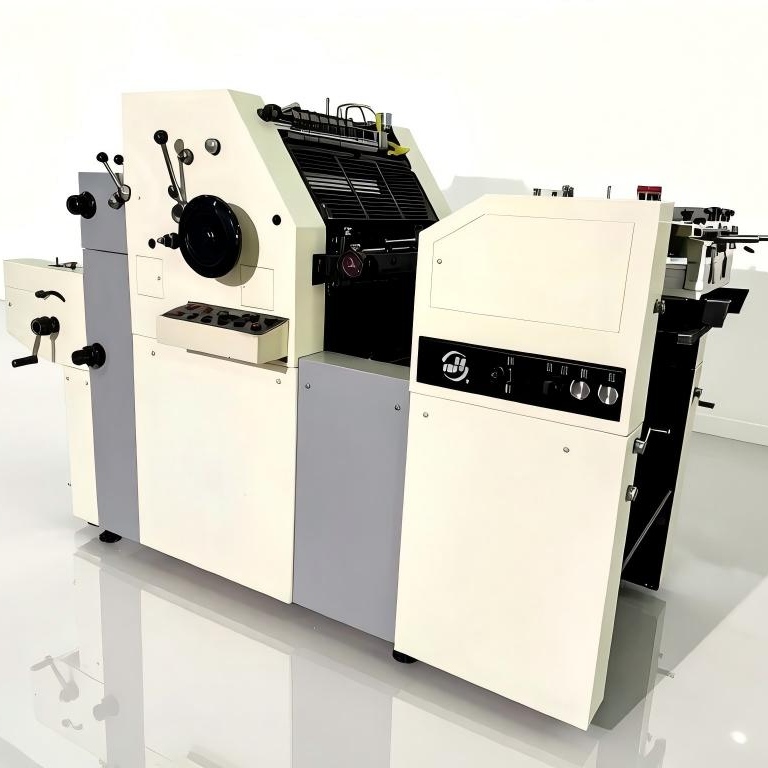
Table of Contents
- Understanding the A3 Single-Color Sheet-fed Offset Printing Press
- Key Components and Their Functions
- How the Printing Process Works
- Major Advantages for Printing Businesses
- Common Industry Pain Points and Practical Solutions
- Typical Applications Across Industries
- Complete Buying Guide
- Maintenance and Long-Term Operation Tips
- Troubleshooting Frequent Issues
- Offset Printing vs Digital Printing
- ROI and Business Value Analysis
- Why Choose Weihai Printing Machinery Co., Ltd.
- Frequently Asked Questions
Understanding the A3 Single-Color Sheet-fed Offset Printing Press
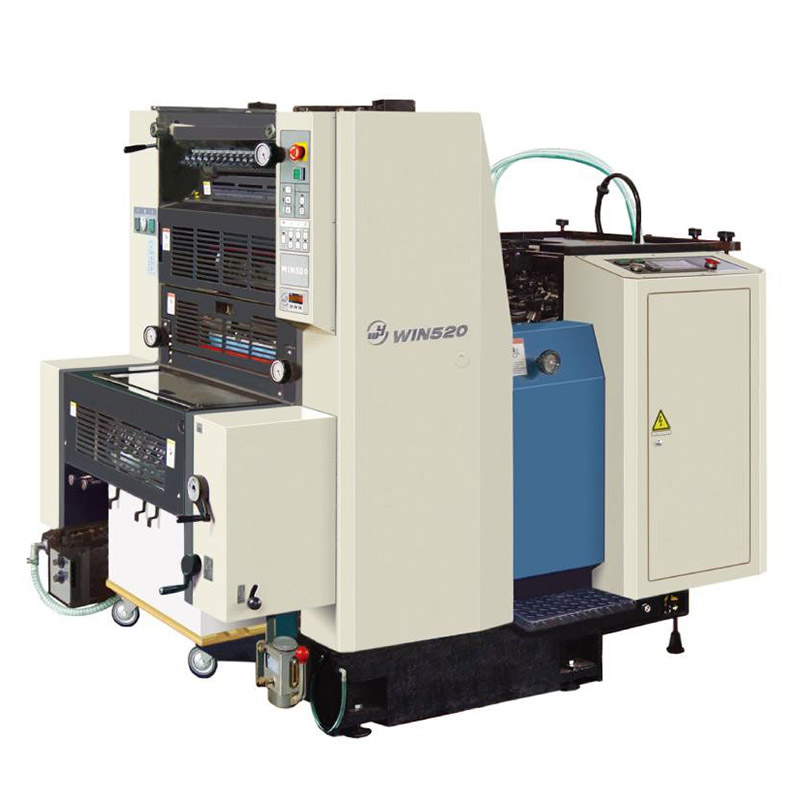
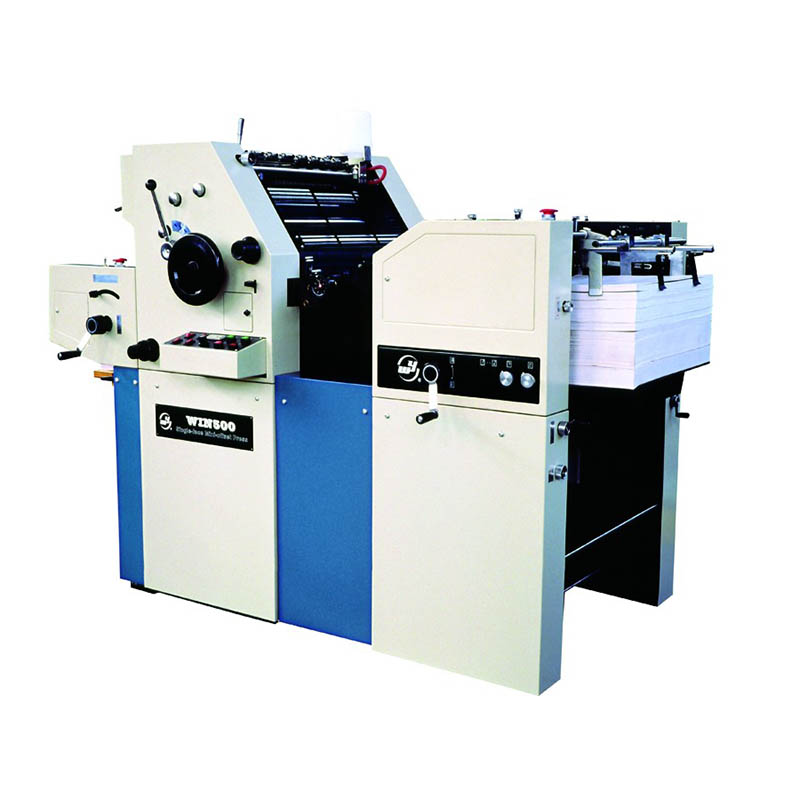
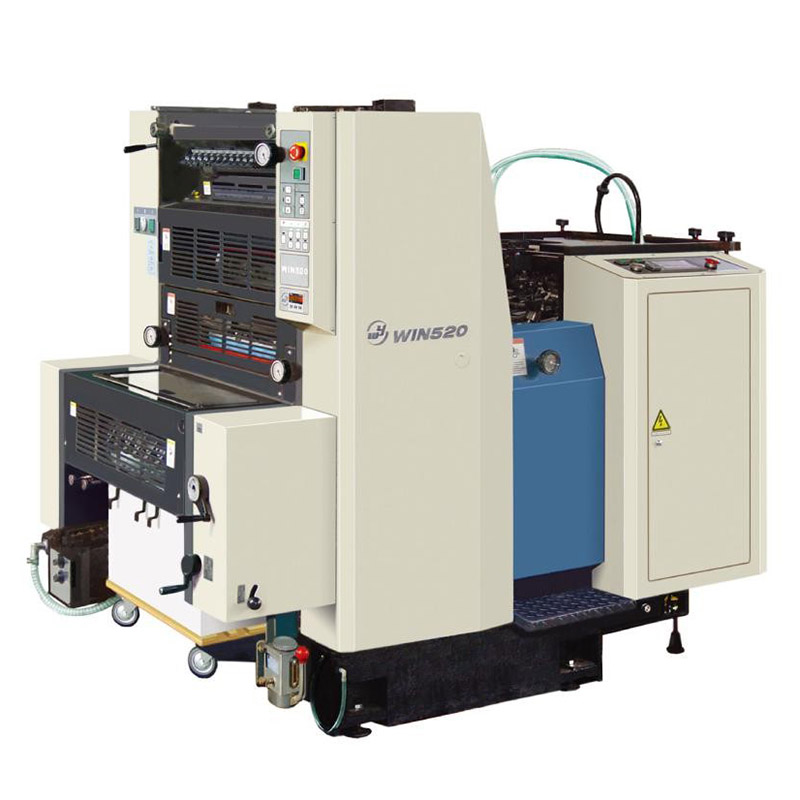
The A3 Single-Color Sheet-fed Offset Printing Press is a specialized printing machine designed for precise, high-volume monochrome printing on A3-sized sheets. It operates on the offset lithography principle, where ink is transferred from a plate to a rubber blanket and then onto paper. This indirect transfer ensures high image accuracy and consistent print quality across large production runs.
Unlike digital printers that rely on direct ink application, offset systems excel in long-run stability and cost efficiency per unit. This makes them particularly valuable for businesses producing books, manuals, forms, packaging inserts, and educational materials.
The “single-color” configuration means the press is optimized for one ink channel, typically black or a specific Pantone tone, which reduces complexity while maintaining high precision.
Key Components and Their Functions
Understanding the internal structure of the machine helps operators and buyers evaluate its performance potential and maintenance requirements.
| Component | Function | Importance |
|---|---|---|
| Feeder System | Feeds sheets into the press one by one | Ensures accuracy and reduces paper jams |
| Printing Plate Cylinder | Holds the image to be printed | Defines print precision and clarity |
| Blanket Cylinder | Transfers ink from plate to paper | Improves print smoothness |
| Impression Cylinder | Applies pressure for transfer | Ensures consistent ink bonding |
| Inking System | Controls ink distribution | Maintains color uniformity |
Each of these components works in synchronization, ensuring that every printed sheet maintains identical quality, even during long production cycles.
How the Printing Process Works
The working process of an A3 Single-Color Sheet-fed Offset Printing Press can be broken down into a precise sequence of steps:
- Plate Preparation: The printing image is transferred onto an aluminum plate.
- Ink Application: Ink is applied to the plate, adhering only to image areas.
- Offset Transfer: The inked image moves from plate to rubber blanket.
- Final Impression: The blanket transfers the image onto paper.
- Sheet Output: Printed sheets are collected and stacked automatically.
This indirect transfer system reduces wear on plates and ensures sharper image consistency compared to direct printing methods.
Major Advantages for Printing Businesses
- High Consistency: Ideal for long-run printing jobs without quality degradation.
- Cost Efficiency: Lower cost per sheet for large volume production.
- Durability: Robust mechanical structure ensures long-term operation.
- Sharp Output: Excellent detail reproduction for text-heavy documents.
- Stable Performance: Minimal variation across print batches.
For businesses focusing on bulk printing, these advantages translate directly into higher profitability and customer satisfaction.
Common Industry Pain Points and Practical Solutions
Despite its advantages, operators often face several challenges when using offset printing presses. Understanding these issues helps improve productivity.
- Ink imbalance: Leads to uneven print density. Solution: regular calibration of ink rollers.
- Paper misalignment: Caused by feeder wear. Solution: frequent feeder inspection.
- Plate wear: Impacts long-run quality. Solution: proper cleaning and plate handling.
- Downtime losses: Prevented through preventive maintenance scheduling.
Many of these issues can be minimized through operator training and selecting high-quality machinery from experienced manufacturers such as Weihai Printing Machinery Co., Ltd.
Typical Applications Across Industries
- Educational textbooks and workbooks
- Corporate forms and invoices
- Instruction manuals
- Packaging inserts
- Advertising flyers (single-color designs)
The A3 format provides an ideal balance between printing flexibility and production efficiency, making it widely used across multiple sectors.
Complete Buying Guide
When selecting an A3 Single-Color Sheet-fed Offset Printing Press, consider the following factors:
- Printing speed and hourly output capacity
- Mechanical stability and frame durability
- Ease of maintenance and spare parts availability
- Ink control precision
- Automation level and operator interface
A well-chosen machine not only improves productivity but also reduces long-term operational costs.
Maintenance and Long-Term Operation Tips
Proper maintenance is essential to ensure consistent performance and extend machine lifespan.
- Clean ink rollers daily after operation
- Lubricate mechanical parts weekly
- Inspect feeder alignment regularly
- Replace worn plates promptly
- Maintain stable workshop temperature and humidity
Preventive maintenance reduces unexpected downtime and ensures steady production output.
Troubleshooting Frequent Issues
| Issue | Possible Cause | Solution |
|---|---|---|
| Blurred print | Improper pressure adjustment | Recalibrate impression cylinder |
| Ink streaks | Dirty rollers | Clean inking system thoroughly |
| Paper jams | Feeder misalignment | Adjust feeding mechanism |
Offset Printing vs Digital Printing
| Feature | Offset Printing | Digital Printing |
|---|---|---|
| Cost Efficiency | High for large runs | Better for small runs |
| Print Quality | Extremely consistent | Variable depending on machine |
| Setup Time | Longer | Short |
| Flexibility | Lower | Higher |
Offset printing remains the preferred choice for high-volume, stable-quality production environments.
ROI and Business Value Analysis
Investing in an A3 Single-Color Sheet-fed Offset Printing Press can significantly improve production efficiency. While initial investment may be higher than entry-level digital printers, long-term cost savings and higher output capacity often result in faster return on investment.
Businesses that handle consistent bulk orders benefit the most, as cost per unit decreases significantly with scale.
Why Choose Weihai Printing Machinery Co., Ltd.
Choosing the right manufacturer plays a crucial role in ensuring long-term machine reliability and performance stability. Weihai Printing Machinery Co., Ltd. is known for its engineering precision, durable machine construction, and responsive technical support.
The company focuses on delivering stable printing solutions that meet global industry standards. From machine customization to after-sales service, users benefit from comprehensive support throughout the equipment lifecycle.
If you are looking for reliable printing solutions or need technical consultation, feel free to contact us at Weihai Printing Machinery Co., Ltd. Our team is ready to assist with product selection, technical guidance, and customized solutions tailored to your business needs.
Frequently Asked Questions
Q1: What makes A3 Single-Color Sheet-fed Offset Printing Press different from digital printers?
It offers superior consistency and lower cost per unit for large-volume printing jobs.
Q2: Is it suitable for small businesses?
Yes, especially for businesses with recurring bulk printing needs.
Q3: How long does the machine last?
With proper maintenance, it can operate efficiently for many years.
Q4: Does it require skilled operators?
Basic training is needed, but modern models are increasingly user-friendly.
Q5: Can it print in color?
Single-color models are designed for monochrome printing; multi-color models are available separately.
Related News
- Why Should You Consider a Large A3 Single-Color Sheet-fed Offset Printing Press?
- Why Is the A3 Single-Color Semi-Automatic Offset Printing Press Still Essential for Modern Printing Businesses?
- How Does an A3 Monochrome Sheet-fed Offset Printing Press Transform Modern Printing Efficiency?
- How Does a Roll Paper Perforating Slitting and Numbering Machine Improve Modern Printing Production Efficiency?
- Why Are Laminating and Foiling Machines Essential for Modern Printing?
- What Makes a Four-Color Printing Press Essential for High-Quality Printing?
Leave me a message